Sow Seeds of Serenity: Cultivating a Mediterranean Garden
Imagine stepping into your backyard and being instantly transported to the sun-drenched coasts of the Mediterranean. The vibrant colors, the fragrant herbs, and the relaxing atmosphere – all of these can be yours with a carefully cultivated Mediterranean garden.
The key to creating a Mediterranean oasis in your own backyard lies in the plants you choose to grow. Mediterranean cuisine is known for its fresh and flavorful herbs, so why not start by planting a variety of them in your garden? Rosemary, thyme, oregano, and basil are just a few examples of herbs that thrive in the Mediterranean climate. Not only will they add a burst of flavor to your dishes, but they will also fill your garden with their delightful scents.
In addition to herbs, consider incorporating fruits and vegetables that are commonly found in Mediterranean cuisine. Tomatoes, eggplants, peppers, and olives are all staples of the Mediterranean diet and can easily be grown in your own backyard. Not only will you have access to fresh, organic produce, but you will also be able to enjoy the satisfaction of harvesting your own fruits and vegetables.
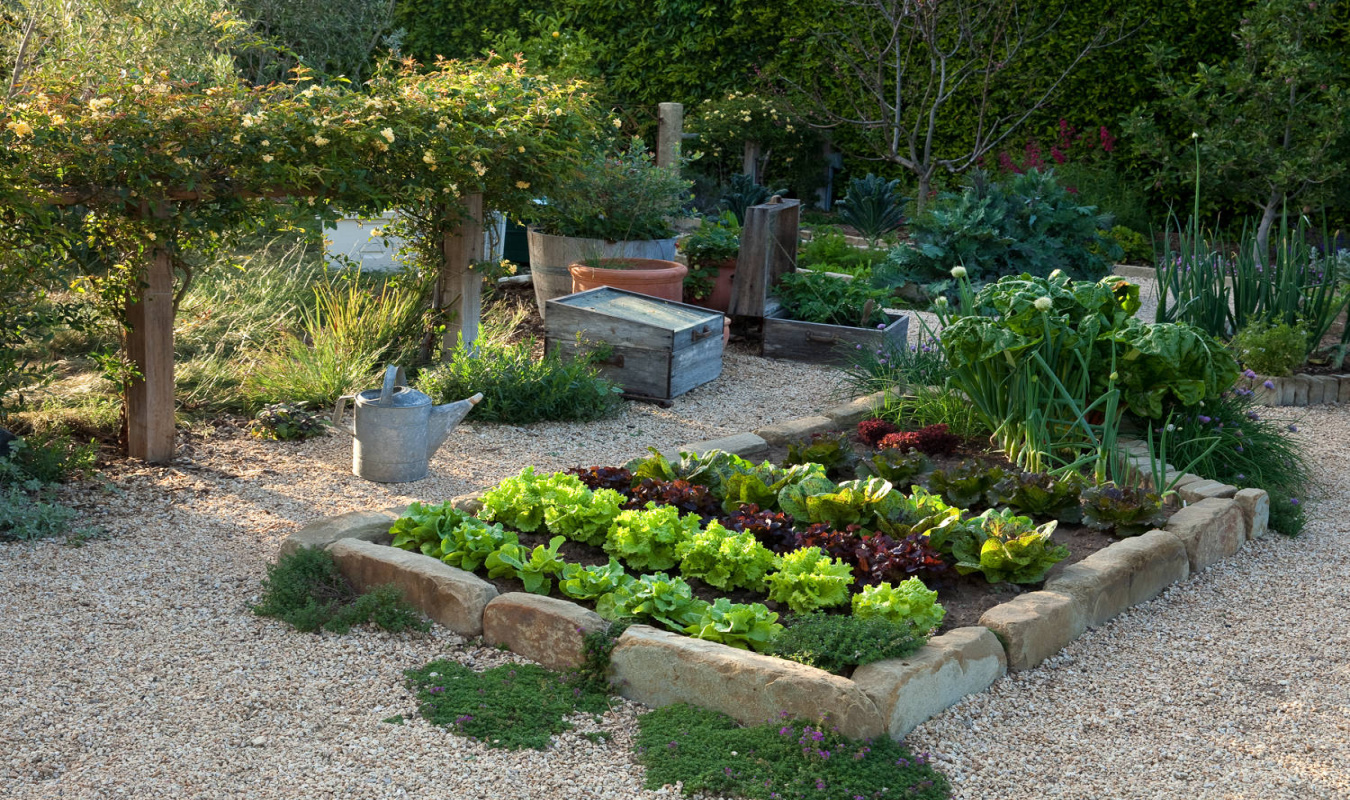
When planning your Mediterranean garden, be sure to pay attention to the layout and design. Mediterranean gardens are known for their simple, yet elegant style. Think gravel pathways, terra cotta pots, and stone accents. Consider adding a water feature, such as a fountain or a small pond, to create a sense of tranquility and relaxation.
Don’t forget to include plenty of seating areas in your garden where you can sit back and enjoy the beauty of your surroundings. Add a pergola with climbing vines for shade, or set up a cozy seating area under a tree. The goal is to create a space where you can relax and unwind, just like you would on a lazy afternoon in the Mediterranean.
In addition to plants and design elements, consider incorporating other Mediterranean-inspired features into your garden. Hang string lights for a touch of ambiance, or add a rustic outdoor kitchen where you can prepare and enjoy meals al fresco.
If you have the space, consider planting a variety of olive trees in your garden. Not only are olive trees beautiful and low-maintenance, but they also produce delicious olives that can be cured and enjoyed as a snack or added to your favorite Mediterranean dishes.
As you cultivate your Mediterranean garden, remember that patience is key. Rome wasn’t built in a day, and neither is a Mediterranean oasis. Take the time to tend to your plants, water them regularly, and watch as your garden transforms into a serene and beautiful sanctuary.
In conclusion, creating a Mediterranean oasis in your own backyard is more than just planting a few herbs and vegetables. It’s about cultivating a space that evokes the sights, smells, and flavors of the Mediterranean. By sowing seeds of serenity and infusing your garden with Mediterranean inspiration, you can create a tranquil retreat that will transport you to the sunny shores of the Mediterranean every time you step outside.
Taste the Mediterranean: Infusing Flavor into Your Garden Oasis
When it comes to creating a Mediterranean oasis in your garden, one of the key elements to consider is the infusion of flavor. The Mediterranean region is famous for its delicious cuisine, rich in fresh herbs, fruits, and vegetables that are bursting with flavor. By incorporating these elements into your garden design, you can create a space that not only looks beautiful but also tantalizes the taste buds.
One of the first steps in infusing flavor into your garden oasis is to choose the right plants. Consider planting herbs like rosemary, basil, thyme, and oregano, which are all staples in Mediterranean cooking. These herbs not only add a burst of flavor to your dishes but also provide a fragrant aroma that will transport you to the sun-soaked hills of Italy or Greece.
In addition to herbs, consider planting fruits and vegetables that are commonly found in Mediterranean cuisine. Tomatoes, peppers, eggplants, and zucchinis are all excellent choices that thrive in the warm, sunny climate of the Mediterranean. Not only will these plants add visual interest to your garden, but they will also provide you with a bountiful harvest of fresh, flavorful produce to enjoy.
When designing your garden oasis, think about creating themed areas that reflect the different regions of the Mediterranean. For example, you could create a Tuscan-inspired corner with a rustic wooden table surrounded by pots of fragrant herbs and blooming tomatoes. Or, you could design a Greek-inspired area with whitewashed walls, blue accents, and an abundance of olive trees and lavender plants.
To truly bring the flavors of the Mediterranean into your garden oasis, consider incorporating a traditional Mediterranean kitchen garden. These gardens typically feature a mix of herbs, fruits, and vegetables planted in a geometric pattern that is both functional and aesthetically pleasing. You can create raised beds or plant directly in the ground, depending on the size and layout of your space.
In addition to planting herbs, fruits, and vegetables, consider adding a variety of citrus trees to your garden oasis. Lemons, oranges, and limes not only add a pop of color to your garden but also provide an abundant harvest of juicy, flavorful fruits that can be used in a variety of dishes and drinks. Plus, the scent of citrus blossoms will fill your garden with a delightful aroma that will transport you to the sunny shores of the Mediterranean.
To further enhance the flavors in your garden oasis, consider adding a culinary herb garden. This can include a variety of herbs like mint, parsley, cilantro, and dill that can be used to add a fresh burst of flavor to salads, soups, and main dishes. You can plant these herbs in pots or in the ground, depending on your space and preferences.
In conclusion, infusing flavor into your garden oasis is a delightful way to create a Mediterranean-inspired space that not only looks beautiful but also tantalizes the taste buds. By choosing the right plants, designing themed areas, and incorporating traditional Mediterranean elements like citrus trees and herb gardens, you can create a garden that is both visually stunning and deliciously flavorful. So why not embark on a culinary journey to the Mediterranean right in your own backyard?